
By Kimberly E. for Literacy
For many years, beginning readers were often given predictable texts that encouraged students to use pictures, context clues, and guessing strategies to figure out unknown words. While these texts may appear supportive, research now tells us that skilled reading depends on efficient word recognition—not guessing.
That’s where decodable texts come in.
As schools continue to embrace the Science of Reading, many educators are asking:
- What exactly are decodable texts?
- When should I use them?
- Why are they important?
- How do I implement them effectively?
Let’s break it down.
What Are Decodable Texts?
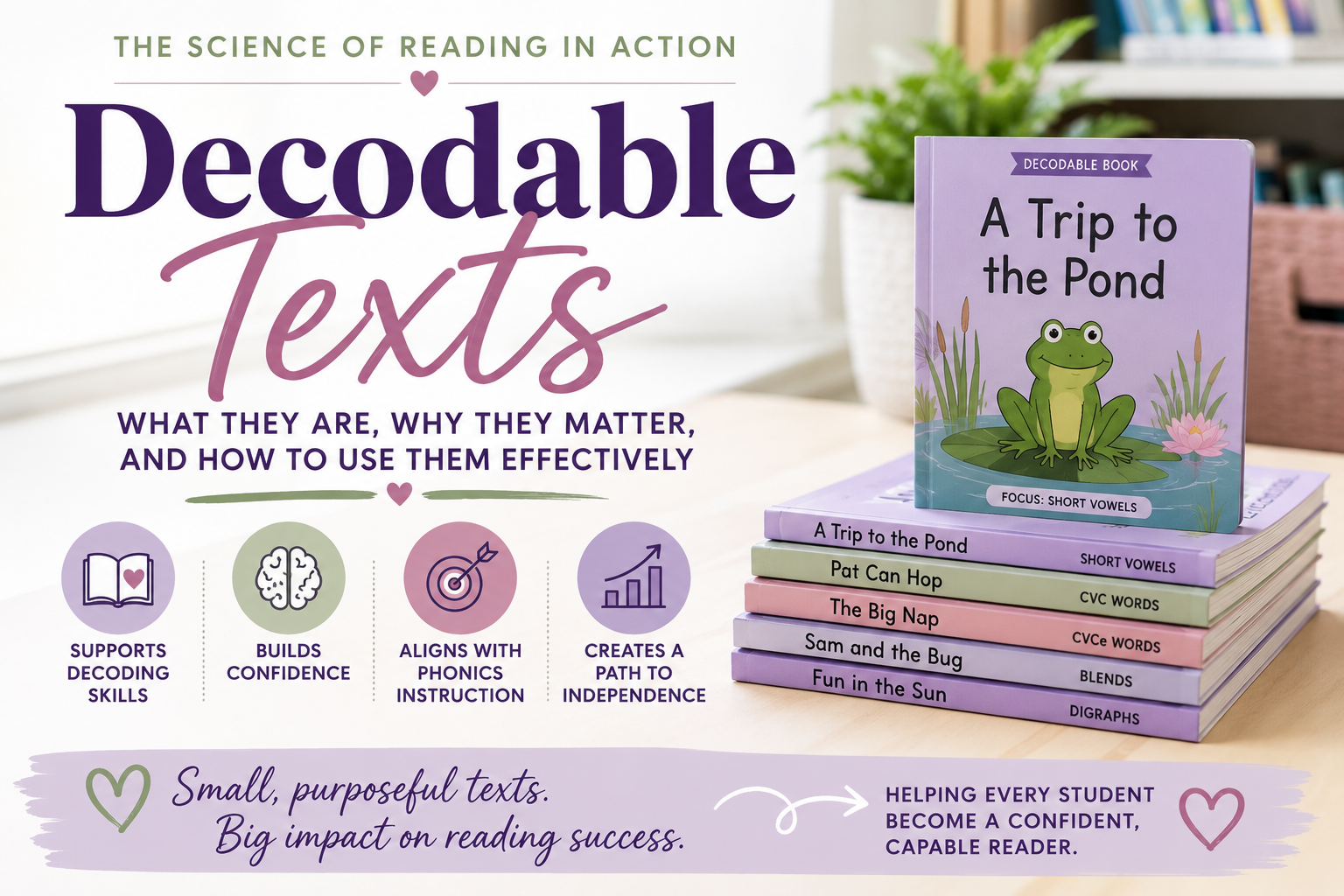
Decodable texts are books or passages specifically written to align with the phonics skills students have already been taught.
Instead of relying on memorization or pictures, students use their knowledge of letter-sound relationships to decode words successfully.
For example:
If students have learned:
- m
- s
- t
- p
- a
They may be able to read a sentence such as:
“Sam sat at a mat.”
The text is intentionally controlled so students can apply their phonics knowledge and experience success.
Why Are Decodable Texts Important?
Decodable texts provide the bridge between phonics instruction and authentic reading.
Students need opportunities to practice the skills they are learning in isolation.
Think about it this way:
Teaching phonics without decodable text practice is like teaching someone basketball drills but never allowing them to play a game.
Decodable texts allow students to:
Apply Phonics Skills
Students practice newly learned sound-spelling patterns in connected text.
Build Orthographic Mapping
Repeated successful decoding helps words become permanently stored in memory.
This process supports automatic word recognition and reading fluency.
Reduce Guessing Habits
Students learn that words can be decoded rather than guessed from pictures or context.
Increase Confidence
When students can actually read the words in a text, they experience immediate success and motivation.
When Should Decodable Texts Be Used?
One of the biggest misconceptions is that decodable texts should replace all reading materials.
They should not.
Instead, decodable texts serve a specific instructional purpose.
Use Decodable Texts:
✅ After explicit phonics instruction
✅ During small-group reading
✅ During intervention sessions
✅ During independent reading practice
✅ For repeated reading fluency practice
✅ For at-home reading support
Avoid Using Decodable Texts As:
❌ Read-alouds
❌ Science or social studies content texts
❌ The only books students ever read
❌ A replacement for rich literature
Students still need exposure to complex vocabulary, knowledge-building texts, and high-quality literature through teacher read-alouds and shared reading experiences.
How Do Decodable Texts Support the Science of Reading?
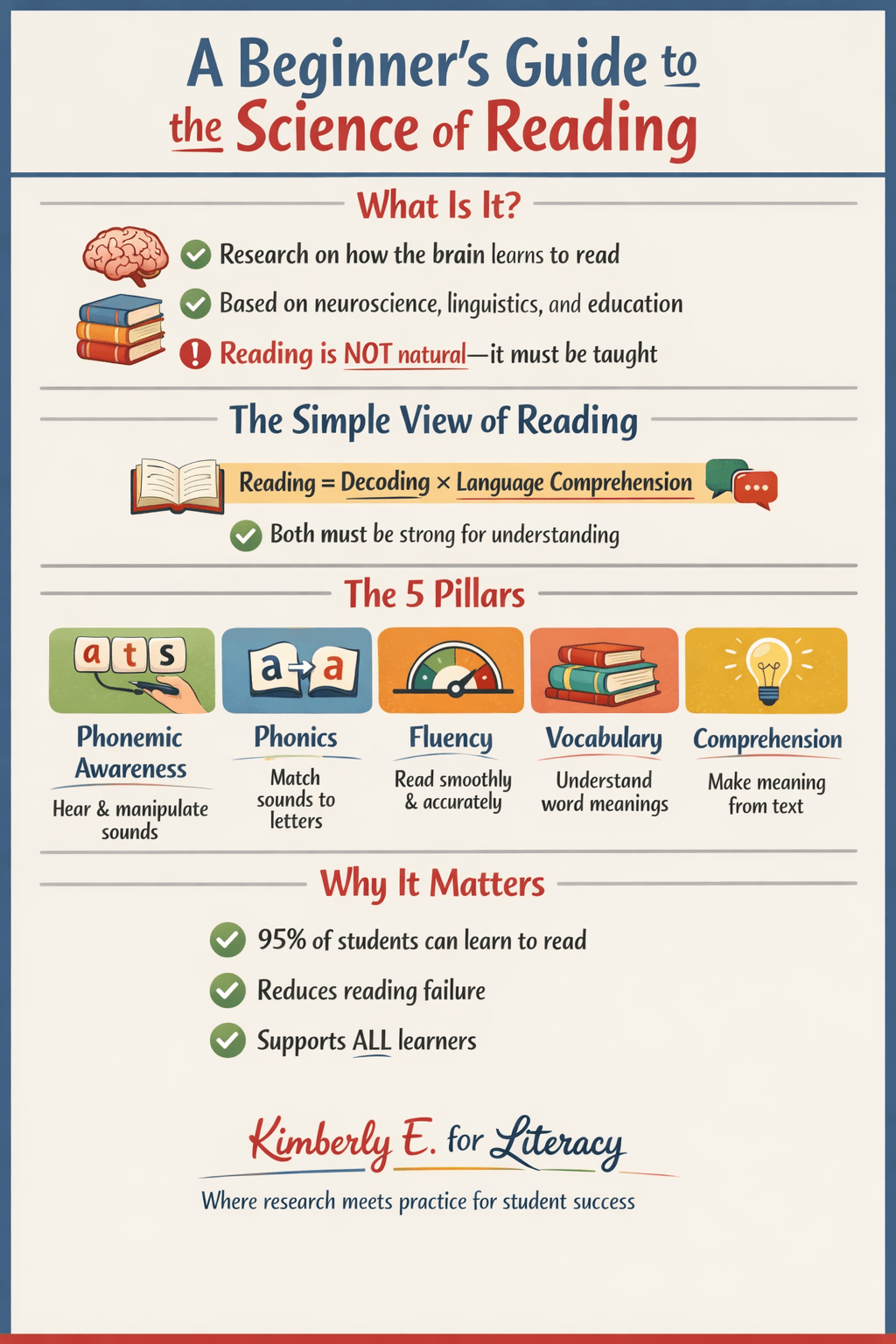
The Science of Reading emphasizes that skilled reading requires both:
Word Recognition
and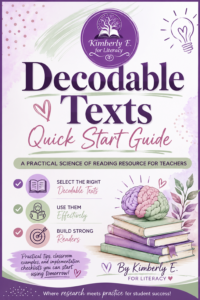
Language Comprehension
This relationship is represented by the Simple View of Reading.
Decodable texts specifically support the Word Recognition strand by strengthening:
- Phonemic awareness
- Phonics
- Orthographic mapping
- Automatic word recognition
- Reading fluency
As students become more efficient at recognizing words, they can devote more cognitive energy to understanding what they read.
How Long Should Students Use Decodable Texts?
Students benefit most from decodable texts during the early stages of reading development.
Typically, decodable texts are most valuable when students are:
- Learning letter-sound correspondences
- Developing blending skills
- Applying phonics patterns
- Building automatic word recognition
As students become proficient readers, they gradually transition to a wider range of authentic texts.
The goal is not to keep students in decodables forever.
The goal is to build the skills necessary to read anything.
Best Practices for Using Decodable Texts
1. Teach First, Read Second
Never hand students a decodable text containing phonics patterns they have not yet learned.
Explicit instruction comes first.
Practice follows.
2. Preview Heart Words
Introduce irregular words before reading.
Examples:
- said
- was
- the
- could
Discuss the parts students can decode and the parts they must remember.
3. Encourage Sounding Out
Prompt students to use their phonics knowledge.
Instead of telling a word, try asking:
- “What sound does that letter make?”
- “Can you blend those sounds together?”
- “Try it again.”
4. Reread for Fluency
The first reading focuses on accuracy.
Subsequent readings build fluency, expression, and confidence.
Repeated reading is one of the most effective ways to strengthen automaticity.
5. Follow Up with Comprehension
Decodable texts are not just for decoding.
Ask students:
- Who was the story about?
- What happened?
- Why did the character do that?
- What was the problem?
Even simple texts can support comprehension development.
Common Misconceptions About Decodable Texts
Myth: Decodable texts are boring.
Reality: Today’s decodable texts are more engaging and meaningful than ever before.
Myth: Good readers don’t need decodables.
Reality: Beginning readers need opportunities to practice newly learned skills.
Myth: Decodable texts replace authentic literature.
Reality: Decodable texts complement rich literature; they do not replace it.
Teacher Takeaway
Decodable texts are a powerful instructional tool when used for their intended purpose.
They provide students with opportunities to apply phonics skills, strengthen orthographic mapping, build confidence, and develop automatic word recognition.
The key is balance.
Use decodable texts for targeted practice while continuing to immerse students in rich language, meaningful conversations, and engaging literature.
When we match texts to what students have been taught, we set them up for success—and success builds readers.
Free Download
Want a quick reference guide for selecting and using decodable texts?
Download my Decodable Texts Quick Start Guide and get practical tips, classroom examples, and implementation checklists you can start using tomorrow.
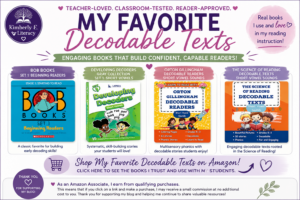
Decodables: Kimberly E for Literacy Decodables coming soon…
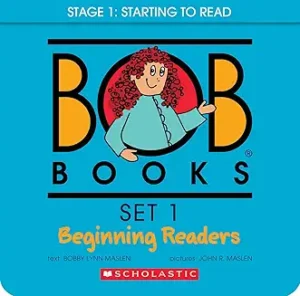
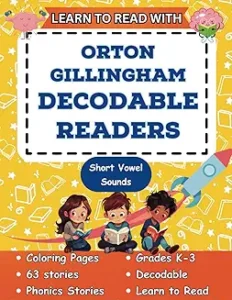
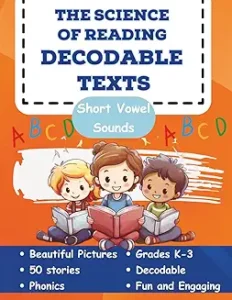
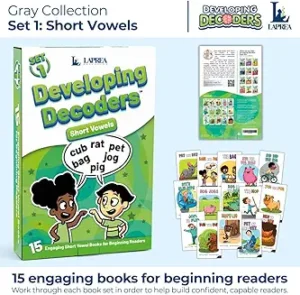
Here are some decodables that I recommend, but there are many others available.
Disclaimer: Please note that as an Amazon Affiliate, I earn a commission from qualifying purchases at no additional cost to you.